Resource guarding in dogs: Safe and effective approaches
You bend down to pick up your dog’s favourite toy and suddenly they freeze, eyes narrowing just enough for you to notice. Or maybe you walk past their food bowl and hear a low rumble. These moments can catch you off guard, but what you are seeing is a common and instinctive behaviour called resource guarding.
We’ll break it down together — what resource guarding is, why it happens, and how to help your dog feel more relaxed about sharing. I’ll also share when it’s worth calling in extra help from a pro.
Quick takeaways
- Resource guarding is a natural behaviour, not “bad manners” or an attempt at dominance
- Dogs may guard food, toys, resting spots, or even people
- Punishment can make the behaviour worse
- Prevention and management are possible, including strategies that use abundance
- Professional help is important when guarding becomes intense or unsafe
What is resource guarding?
Resource guarding in dogs is when they use body language, movement, or aggression to keep others away from something they value. The “resource” could be obvious, like a bone or a favourite toy, or less obvious, like a bed in the sun or their go-to spot on the couch.
You might also hear it called “possessive behaviour”, “possessive aggression” or “food-related aggression”, which are the more formal terms used in clinical contexts.
Signs of guarding can range from subtle to overt. Subtle signs include:
- Pausing mid-chew or play when someone approaches
- Hovering over the item
- Hard stares or side-eye glances
More overt signs may involve:
- Growling or snarling
- Snapping
- Lunging or biting
Guarding is not a sign that a dog is “trying to be in charge.” It is an instinctive behaviour rooted in survival. In the wild, keeping control of a food source could mean the difference between eating and going hungry. Even though your dog’s dinner is now served in a bowl every evening, those instincts can still surface.
Why do dogs resource guard?
One of the clearest explanations for resource guarding comes from the work of the late Ray Coppinger, a canine researcher who studied village and free-ranging dogs around the world. In Dogs: A New Understanding of Canine Origin, Behavior and Evolution, he describes how dogs in environments with limited food, shelter, or resting spots often compete to keep what they have, behaviour shaped by the need to secure vital resources.
Resource guarding is a blend of:
- Instinct: An evolutionary adaptation that helped dogs’ ancestors survive
- Experience: Dogs who have had to compete for resources in the past, or who have had items taken away frequently, may be more likely to guard
- Learning history: If guarding has worked for the dog in the past (meaning the threat went away), it is more likely to happen again
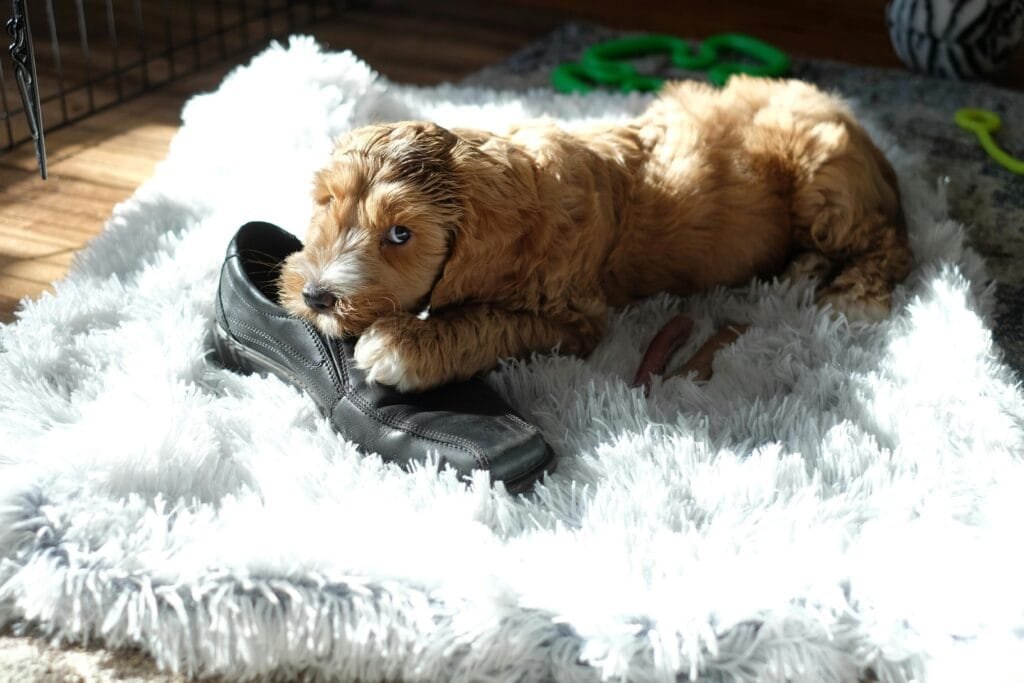
Even puppies can show early signs of guarding. If a puppy’s food bowl is frequently removed while they are eating, they may begin to see people as a threat to their meals rather than a source of good things.

Common triggers for resource guarding
Resource guarding dog behaviour can revolve around almost anything the dog sees as valuable. Common triggers include:
- Food and treats: Kibble, chews, bones, or high-value leftovers
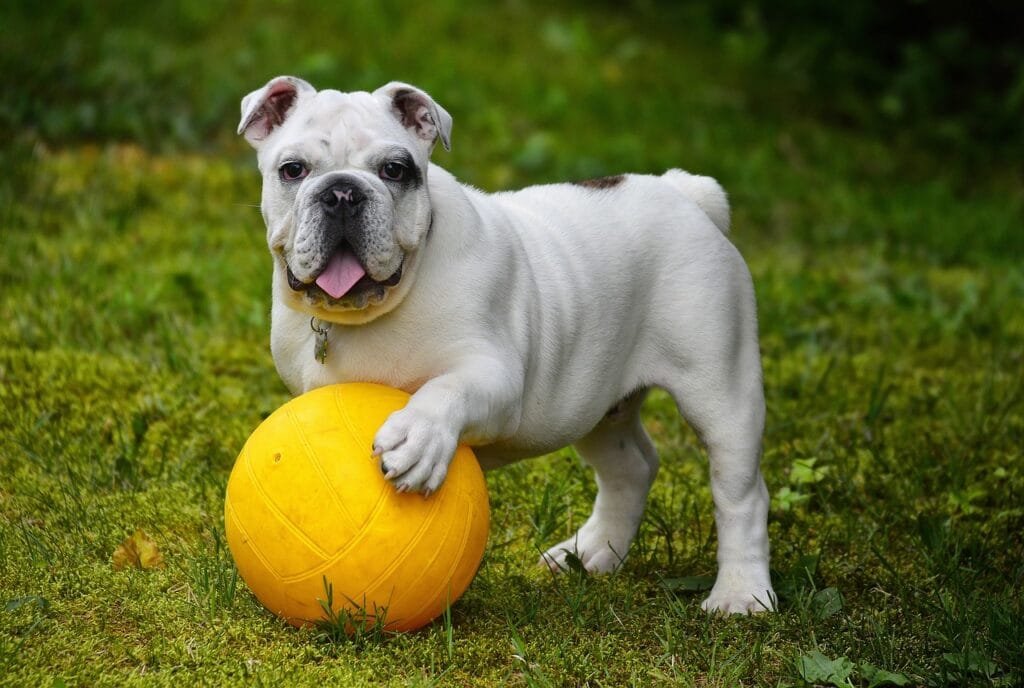
- Toys and chews: Balls, squeaky toys, puzzle feeders
- Resting spots: Beds, couches, or warm patches of floor
- People: Guarding a favourite person from other dogs or humans
For example, you might have a dog who has no problem with you walking past their kibble bowl but stiffens if there is cooked chicken inside. Or you might see a dog who happily greets visitors until one sits next to their favourite person, at which point they wedge themselves between the two and give the newcomer an icy glare.
Knowing your dog’s specific triggers is the first step toward preventing and managing guarding behaviour.
How to respond in the moment
When a dog is guarding, the goal is to keep the situation from escalating. Trying to “win” by grabbing the resource or confronting the dog usually makes things worse.
In the moment, focus on:
- Staying calm: Sudden movements or loud voices can heighten the dog’s defensive response
- Giving space: Step back or move away until the dog’s body language softens
- Avoiding outdated methods: Taking away their food bowl mid-meal or removing a chew to “prove a point” can create guarding problems
- Managing the environment: Separate dogs during mealtimes, remove high-value items before guests arrive, and supervise children closely
- For people guarding: If a dog is blocking access to a person, have that person quietly leave, then call the dog away and reward them for coming to you
As Jean Donaldson notes in Mine! A Practical Guide to Resource Guarding in Dogs, guarding is a normal canine behaviour, not a sign of a “bad” dog. The safest approach in the moment is to avoid confrontation, give the dog space and work later to change how they feel about someone coming near their prized item.
Long-term management and prevention
If you are wondering how to manage resource guarding in dogs, the focus should be on changing how they feel when someone approaches their valued item. This is done through trust-building and positive associations, not force.
Effective strategies include:
- Teaching “trade” and “drop” cues: Use rewards that your dog values highly so they learn that giving something up leads to something even better
- Building trust: Pair your approach with something positive, like tossing a treat toward your dog when you walk past their bed or toy. Over time, they’ll associate you coming closer with good things
- Careful use of abundance: In some cases, having more than one valued item available can reduce guarding, but it’s not a solution on its own and works best alongside training
- Desensitization and counter-conditioning: Gradually get your dog used to people being near their valued items without taking them away
- Puppy prevention: Start early with positive handling and reinforcement so puppies grow up comfortable with people being near their food, toys, and spaces
Over time, consistent training and positive experiences can help many dogs feel more comfortable when people are near their valued items. The goal is to replace that initial feeling of “I might lose this” with “Good things happen when you’re close.”
Key takeaways
- Resource guarding is a natural canine behaviour rooted in survival instincts
- Punishment can make the behaviour worse by increasing fear or anxiety
- Building trust and using abundance can reduce guarding
- Management and training work best when tailored to the individual dog
- Professional help is recommended for serious or escalating cases
When to seek professional help
If your dog’s guarding involves snapping, biting, or escalating tension, or if it is creating ongoing stress in your household, it is time to seek help from a qualified trainer or behaviour consultant. Professional guidance ensures you have a plan that keeps everyone safe while making real progress.
At Belle & Bark, our behaviour consults are built around humane, science-based training. We assess your dog’s unique situation, design a customized plan, and support you step-by-step through the process.
Remember, a guarding dog is not “bad.” They are acting on natural instincts. With the right approach, those instincts can be reshaped into safer, more relaxed behaviours. Book a behaviour consult with Belle & Bark and let’s make life more comfortable for everyone.
FAQ
Can resource guarding be completely cured?
Sometimes, but it is more realistic to aim for reducing and managing it. Many dogs reach a point where guarding is rare and mild.
Will neutering or spaying stop resource guarding?
No. Guarding is not driven by reproductive hormones, so altering will not directly change the behaviour.
Should I punish my dog for growling?
No. Growling is a warning signal. Punishing it can remove the warning and make bites more likely.
Can puppies resource guard?
Yes. Early positive experiences, like adding treats to their bowl while they eat, can help prevent problems later.

Tabitha Turton
Tabitha is the founder and trainer at Belle & Bark. With a deep passion for canine behaviour and humane training, she’s committed to making life better for both ends of the leash. Her writing blends science-backed insight with real-life experience to help dog guardians feel more confident, compassionate, and informed.