Dog socialization: How to do it well
Dog socialization is often reduced to meeting lots of people and playing with other dogs, but it is much broader than that. During puppyhood, dogs are learning what is safe, familiar and manageable. That includes people, dogs, sounds, surfaces, handling, movement, environments and the many ordinary things that make up life with us.
The goal is to give puppies positive, manageable experiences that help them move through the world with greater comfort and flexibility. Some puppies will be naturally outgoing, while others are more cautious. Good socialization works with the puppy in front of you rather than trying to make every dog enthusiastic about every interaction.
Quick takeaways
- The most important socialization period happens early in puppyhood, roughly within the first three months of life.
- Quality matters more than the number of experiences your puppy collects.
- Socialization includes people, dogs, environments, handling, sounds and everyday life.
- A well-socialized dog does not need to greet everyone. Calm neutrality is a valuable skill.
- Watch your puppy’s response and adjust the experience if they are becoming worried or overwhelmed.
- Puppies can begin safe socialization before their vaccination series is complete, with appropriate precautions and veterinary guidance.
What is dog socialization?
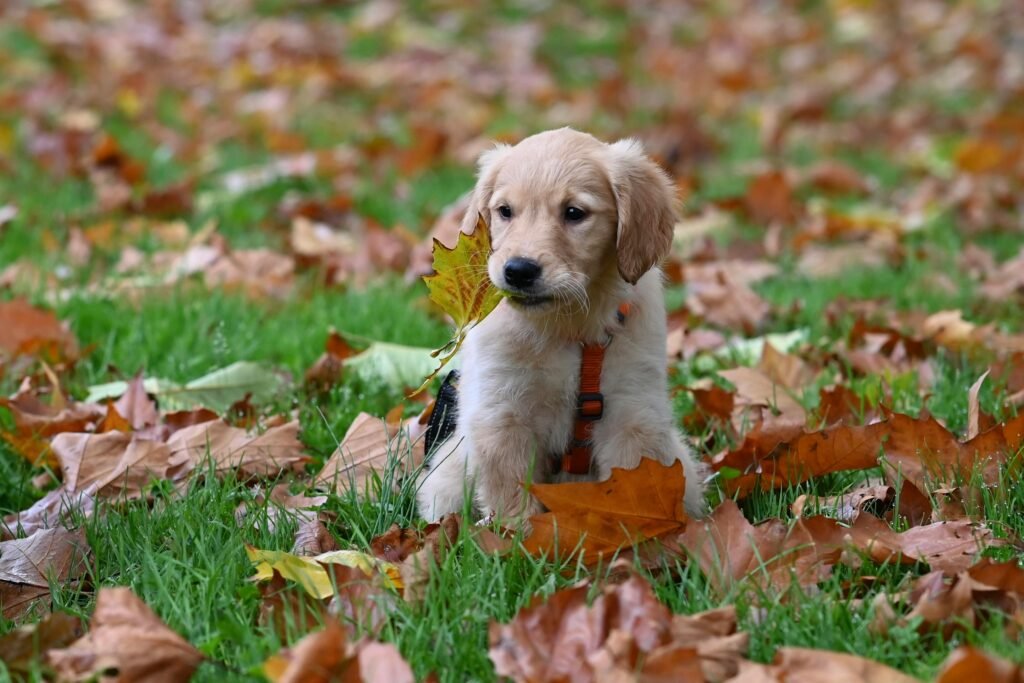
Dog socialization is the developmental process through which puppies learn about the social and physical world around them. That includes obvious things like meeting different kinds of people and dogs, as well as hearing traffic, walking on unfamiliar surfaces, seeing bicycles, experiencing gentle handling, visiting new places and learning that ordinary household noises are part of life.
A useful socialization experience should be manageable for the puppy. They need time to observe, investigate and recover if something surprises them. Some experiences may involve direct interaction, while others can simply involve watching from a comfortable distance.
What does a well-socialized dog look like?
A well-socialized dog may enjoy meeting some people or dogs and prefer to ignore others. They can notice something unfamiliar without immediately needing to approach it, and they are generally able to recover when something surprises them. Comfort around everyday life matters more than enthusiasm for every interaction.
That is why neutrality is such an important socialization skill. A puppy who can watch another dog walk past without needing to greet them is learning something valuable too.
The puppy socialization window
The first few months of life are especially important for social development. Veterinary behaviour organizations commonly describe the first three months as the primary socialization period, while research often places the broader sensitive period at roughly 3–14 weeks.
I prefer the term sensitive period to “critical period” because puppies are especially receptive to social learning during this stage, but learning continues afterwards. Older puppies and adult dogs can still form new associations and become more comfortable with unfamiliar experiences, although this may take more time or support when early exposure was limited or fear is already present.
Research consistently links richer, positive early-life experiences with lower rates of later fear and behaviour problems. Socialization is still only one influence on adult behaviour, alongside genetics, health, temperament, later experiences and the dog’s environment.
Socialization before vaccinations are complete
Waiting until a puppy is fully vaccinated can mean missing much of this early developmental window. The American Veterinary Society of Animal Behavior recommends beginning safe socialization before the vaccination series is complete, and puppy classes can often begin around 7–8 weeks when appropriate vaccination, parasite control and hygiene protocols are in place.
That means choosing environments carefully. Clean, controlled spaces, interactions with healthy vaccinated dogs and well-run puppy classes are generally more appropriate than high-risk areas such as heavily trafficked dog parks. Your veterinarian can help you balance socialization with the infectious-disease risks in your local area.
How to socialize your dog well
Good socialization is less about how many experiences your puppy has and more about how those experiences feel. A puppy who meets twenty people while hiding, freezing or repeatedly trying to escape is unlikely to benefit from the sheer number of encounters. One calm experience where they can watch, approach at their own pace and leave when they are finished may be far more useful.
There is no evidence-based number of people, dogs or environments that every puppy needs to encounter. A 2022 systematic review identified the optimal amount of socialization as an area where more research is still needed, which is another reason to focus on the quality of each experience rather than chasing a quota.
Give your puppy time to observe
You do not need to walk directly into every new experience. Let your puppy watch children playing from across the park, observe traffic from a quieter spot, or notice another dog without immediately arranging a greeting. Distance gives them room to gather information and decide how much interaction they want.
Let interaction be optional when possible
Encourage curiosity without pressuring your puppy to approach people, dogs or objects. If they want to investigate, give them time. If they hesitate or move away, that tells you something about how difficult the situation feels. You can respond by increasing distance, reducing intensity or trying again another day.
Aim for neutrality as well as friendly interactions
Puppies need opportunities to learn that they do not have to interact with everything they see. Walking past another dog, sitting near people without greeting them, or watching activity from a distance are all useful experiences.
This becomes especially valuable during adolescence, when a puppy who has learned that every dog predicts an exciting greeting may find it much harder to simply pass by.
Include everyday handling
Socialization also includes experiences with touch and care. Gentle paw handling, looking inside ears, introducing grooming tools, standing on a vet scale and learning about a basket muzzle can all form part of a puppy’s early experience.
Keep these interactions short and manageable, and pay attention to how your puppy responds. If you want to build more active participation into handling, cooperative care gives dogs additional ways to engage with grooming and healthcare.
Common socialization mistakes
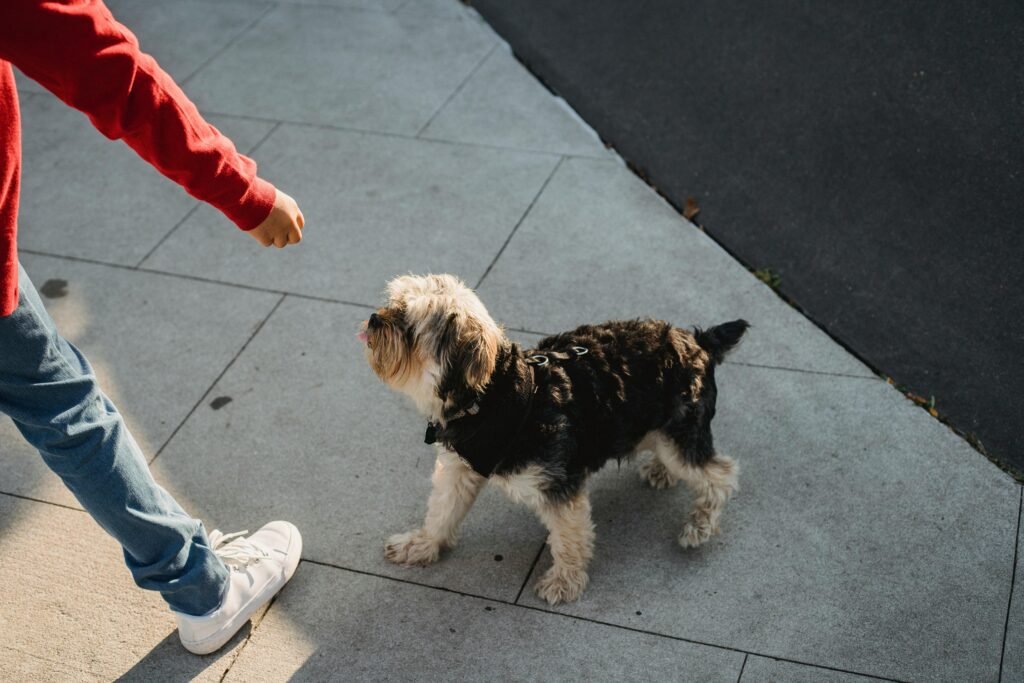
One of the biggest mistakes is assuming that more exposure is always better. Repeated or intense exposure can become overwhelming, especially when the puppy has little control over distance or interaction. Socialization works best when experiences are small enough for the puppy to process successfully.
Dog-dog play can also become too central. Play is valuable for many puppies, but social skills include disengaging, taking breaks and simply existing around other dogs. Forced greetings can create problems too, especially when a puppy is carried towards a stranger, held in place while someone pets them, or repeatedly encouraged to approach something they are trying to avoid.
Watch the whole dog. Signs that an experience may be getting difficult can include slowing down, becoming very still, attempting to leave, refusing food they would normally take, repeatedly hiding behind you, or showing persistent avoidance. An occasional yawn or lip lick does not tell you much by itself, so look for patterns and changes in behaviour across the interaction.
What about fear periods?
You may hear that puppies and adolescent dogs go through predictable “fear periods” at specific ages. Young dogs can certainly become more cautious at different points in development, and adolescence can bring noticeable behavioural changes, but the evidence for a neat second fear period on a reliable timetable is much weaker.
If your dog suddenly becomes worried about something they previously handled well, respond to the behaviour in front of you. Give them more distance, lower the difficulty and avoid pushing them through the situation. A significant or persistent change is also worth discussing with your veterinarian, particularly when it appears suddenly.
What if my dog missed early socialization?
Missing the early sensitive period can make some things harder, but older puppies and adult dogs can still build positive associations, learn coping skills and become more comfortable with new experiences. The pace may need to be slower, especially when fear is already part of the picture.
For some dogs, success may look like calm coexistence rather than becoming highly social. A dog who can comfortably pass strangers or other dogs without needing to interact is making meaningful progress. If your dog is showing significant fear, reactivity or aggression, individualized behaviour support can help you decide which experiences are useful and which are currently too difficult.
Socialization is about preparing puppies for real life
There is no socialization checklist every puppy needs to complete. Think instead about the life your dog is likely to live. A city puppy may benefit from gradually becoming familiar with traffic, elevators, delivery carts and busy sidewalks. A dog who will visit cottages or trails may need experience with water, uneven ground and wildlife at a safe distance. All puppies benefit from learning about handling, household life, different people and other dogs in ways they can manage.
Pay attention to the puppy in front of you, give them opportunities to explore, allow them to opt out when possible, and make experiences easier when they show you they need more space. Good socialization builds familiarity with the world while leaving room for the dog’s own temperament and preferences.
Need help with puppy socialization?
Belle & Bark’s Puppy foundations program includes real-life socialization, early training and practical support for navigating puppy development in Montreal.
If your puppy or adult dog is already fearful or reactive around people, dogs or everyday environments, Behaviour solutions can help you build a plan around their individual needs.

Tabitha Turton
Tabitha Turton is the founder and trainer at Belle & Bark, offering dog training and behaviour support in Montreal. Her work draws on current behaviour and welfare science, positive reinforcement and Family Dog Mediation, with a focus on understanding the individual dog and the factors shaping their behaviour.
Her writing explores dog behaviour, learning and welfare, translating research and professional education into practical ideas for everyday life with dogs.