Best reinforcer for dog training: What science says
One of the first things people ask when they start training their dog is, “What’s the best reward to use?” The short answer is whatever your dog finds valuable in that moment. The longer answer is that science gives us a clear place to begin.
Quick takeaways
- A reinforcer is anything that makes a behaviour more likely to happen again
- Food is the most reliable primary reinforcer for dogs
- Praise, toys, and play can be conditioned into secondary reinforcers
- The dog decides what’s rewarding, not the trainer
What is a reinforcer?
n behavioural science, a reinforcer is something that increases the chance of a behaviour happening again. There are two main types. Primary reinforcers are things animals naturally care about, like food, water, and warmth. Secondary reinforcers are things that only gain value because they’re paired with a primary one, like praise, petting, or a sniff session.
Understanding the difference matters. Primary reinforcers give us a reliable starting point, while secondary reinforcers let us expand the range of rewards we can use in training.
Primary reinforcers: Why food works best
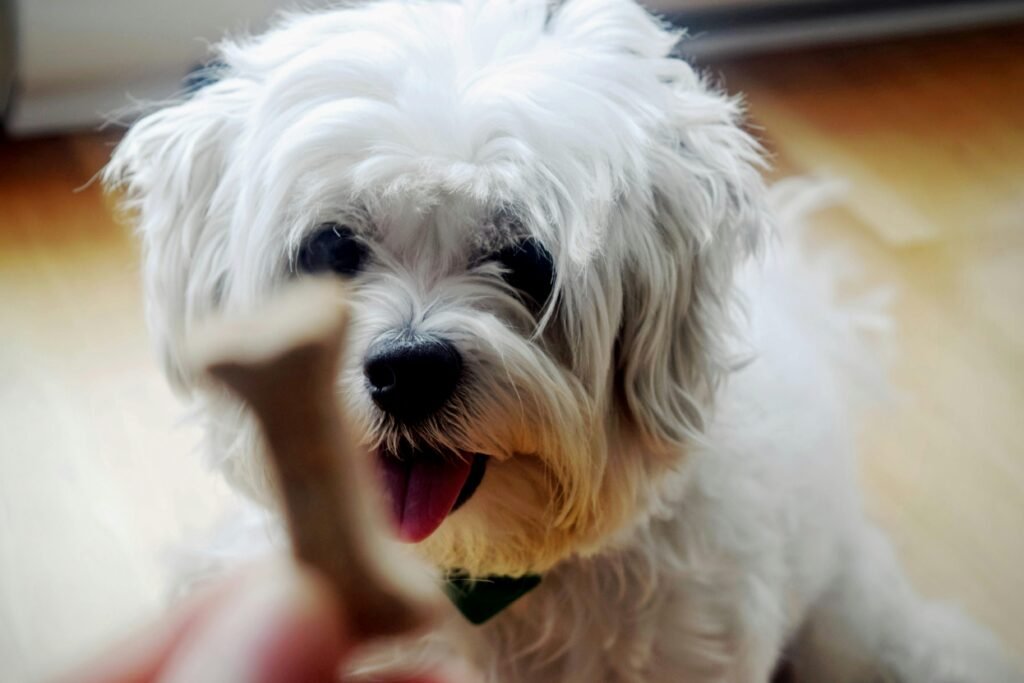
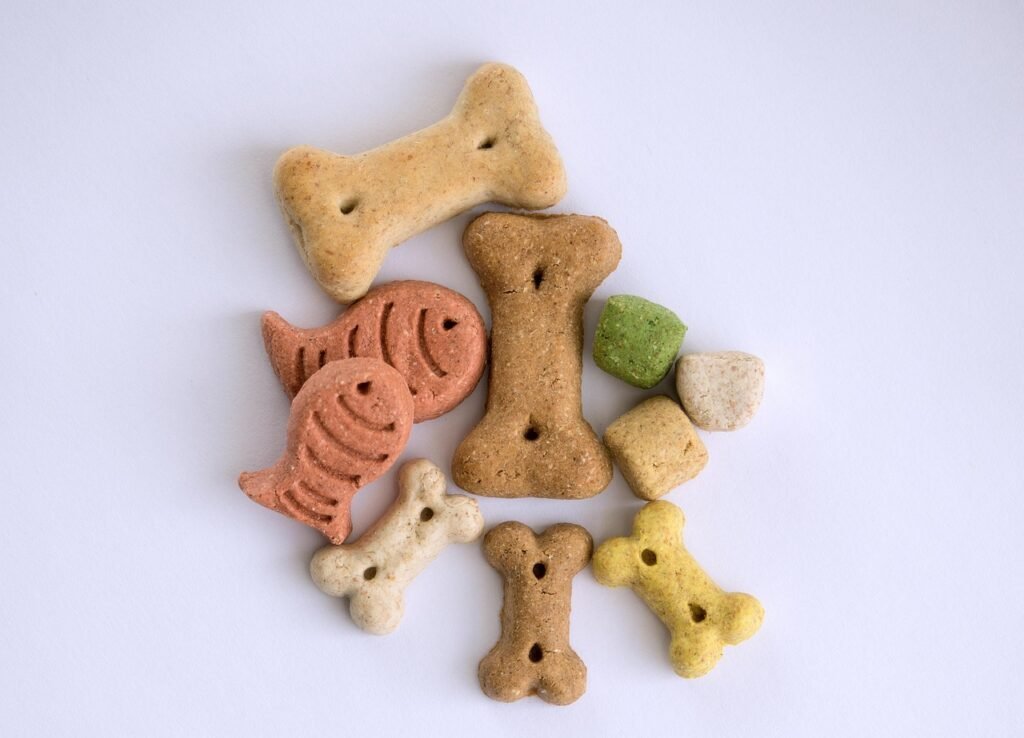
Food is the easiest and most effective reward, and often the best reinforcer for dog training. It’s simple to carry, quick to deliver, and decades of research show that dogs respond to it best. High-value treats like chicken or cheese can even cut through distractions and make learning faster.
Food also gives us flexibility. Kibble might be enough at home, while tastier options are better for more challenging situations like busy streets or dog parks. Food isn’t the only reinforcer, but it’s the most reliable way to teach new skills.
Secondary reinforcers: Teaching value
Secondary reinforcers, sometimes called conditioned reinforcers, aren’t naturally rewarding. They become meaningful when they’re paired with primary rewards. A “good dog,” a scratch behind the ears, or the chance to sniff a patch of grass all fall into this group.
Trainer Ken Ramirez has done extensive work on reinforcers. He points out that secondary reinforcers only stay strong if they’re occasionally backed up with primary ones. That means praise or play should still be paired with food some of the time. Otherwise, they lose their meaning. Over time, praise or a favourite game can be powerful rewards, but only if they’ve been conditioned carefully.
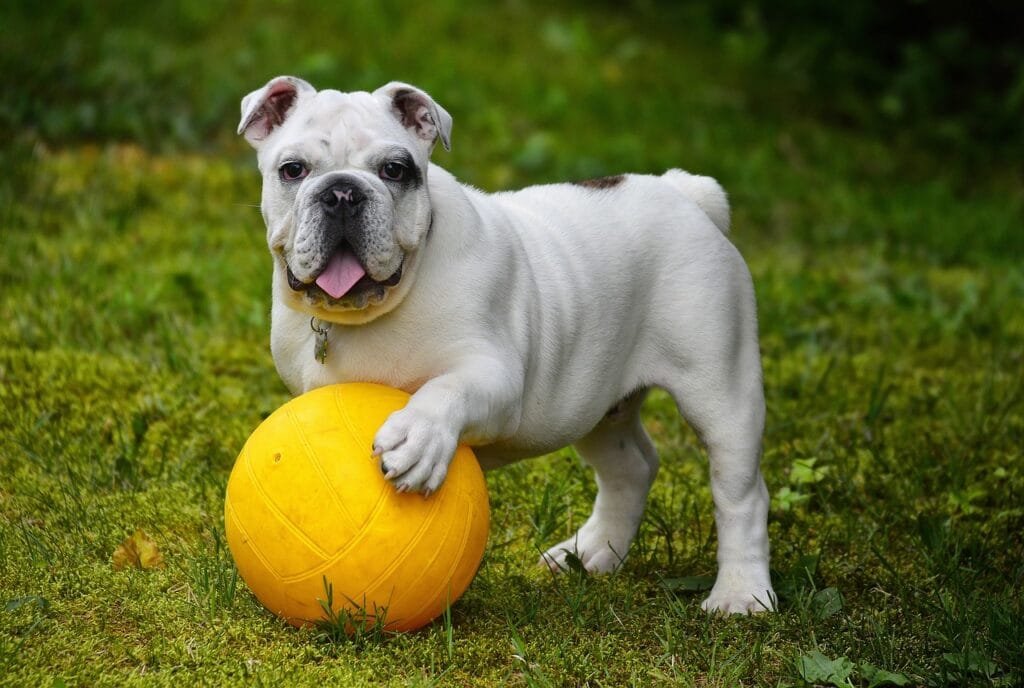
Ramirez also shows that behaviours themselves can become reinforcers. For example, if your dog loves fetch, the chance to chase the ball can be the reward for sitting politely. In that case, the behaviour of sitting earns the behaviour they really want — the chase.
Finding what works best for your dog
Even though food is the most reliable starting point, every dog has their own preferences. The best reinforcer for dog training is whatever your dog finds motivating right now.
- Watch what your dog gets excited about. For some it’s tug, for others it’s sniffing or greeting a friend.
- Build a reinforcer ladder. Lower-value rewards like kibble work for easy tasks, while higher-value rewards like chicken are best for harder ones.
- Mix things up. Variety keeps dogs motivated and helps prevent rewards from losing their power.
The key is simple: the dog decides. If the reward doesn’t make the behaviour happen more often, it isn’t a reinforcer, no matter how much we want it to be.
Key takeaways
- Food is the most reliable reinforcer for dog training
- Secondary reinforcers like praise and toys need to be conditioned
- Keep secondary reinforcers valuable by pairing them with food at times
- The best reinforcer for dog training depends on your dog and the situation
Why it matters
Reinforcement is how dogs learn. Start with food to build strong behaviours, then add praise and play as conditioned reinforcers so you have more options. Most importantly, pay attention to what excites your dog.
Want help figuring out the reinforcers that work best for your dog? Book a training session with Belle & Bark and we’ll build a plan around what motivates them most.

Tabitha Turton
Tabitha is the founder and trainer at Belle & Bark. With a deep passion for canine behaviour and humane training, she’s committed to making life better for both ends of the leash. Her writing blends science-backed insight with real-life experience to help dog guardians feel more confident, compassionate, and informed.