Private puppy training, city edition
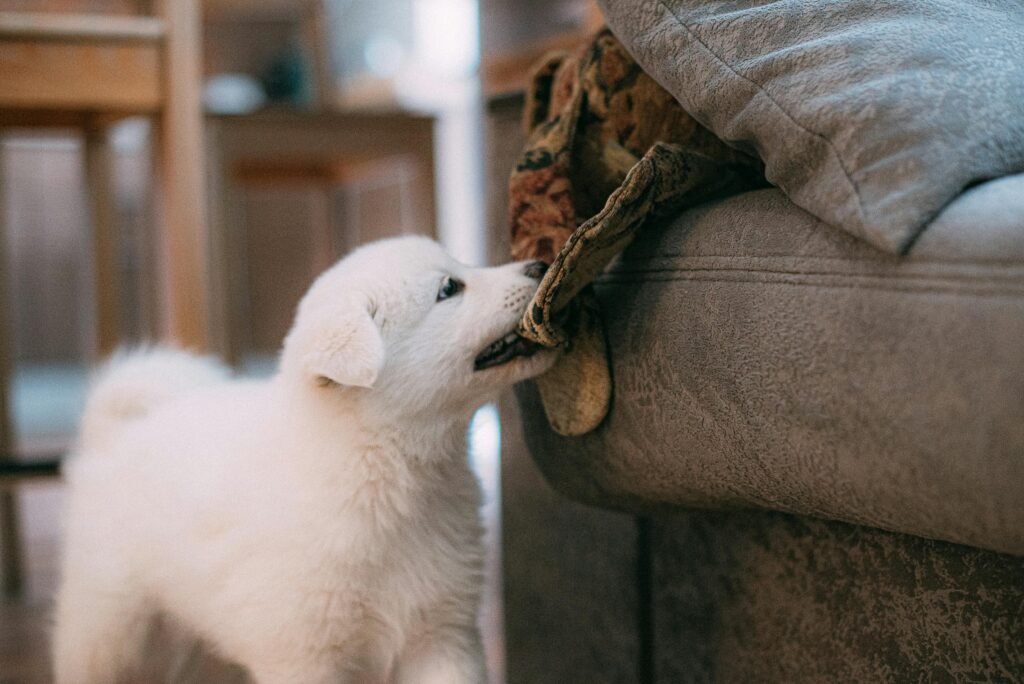
If you’ve recently brought a puppy home to a condo in Griffintown or a triplex in the Plateau, you’re probably finding out pretty quickly that puppyhood doesn’t happen in a vacuum. There are the early-morning potty trips, the very confident chewing of baseboards, and the quiet sense that there’s a clock ticking somewhere about socialization and “doing it right.”
Most people are told to sign up for a group puppy class and call it a day. Sometimes that’s a fine place to start. But after working with a lot of city puppies, I’ve found that private puppy training, especially in your own home, often fits day-to-day life in Montreal a whole lot better.
Quick takeaways
- We go at your puppy’s pace: If something’s tricky, we hang out there. If it’s easy, we move on.
- Connection matters more than distraction: Puppies learn best when they feel safe, steady, and tuned in to you.
- Your home matters: Training where things actually happen helps skills stick faster.
- Socialization is about vibes: Calm, positive experiences matter more than nonstop puppy parties.
Socialization isn’t about packing in as much as possible
There’s a lot of pressure on puppy guardians to expose their dog to everything, all at once. More dogs. More people. More situations. But more isn’t always better.
What we’re aiming for is low-arousal, positive exposure, not sensory overload. The IAABC Foundation Journal talks about socialization as helping puppies feel safe and curious, rather than overwhelmed or pushed past their limits.
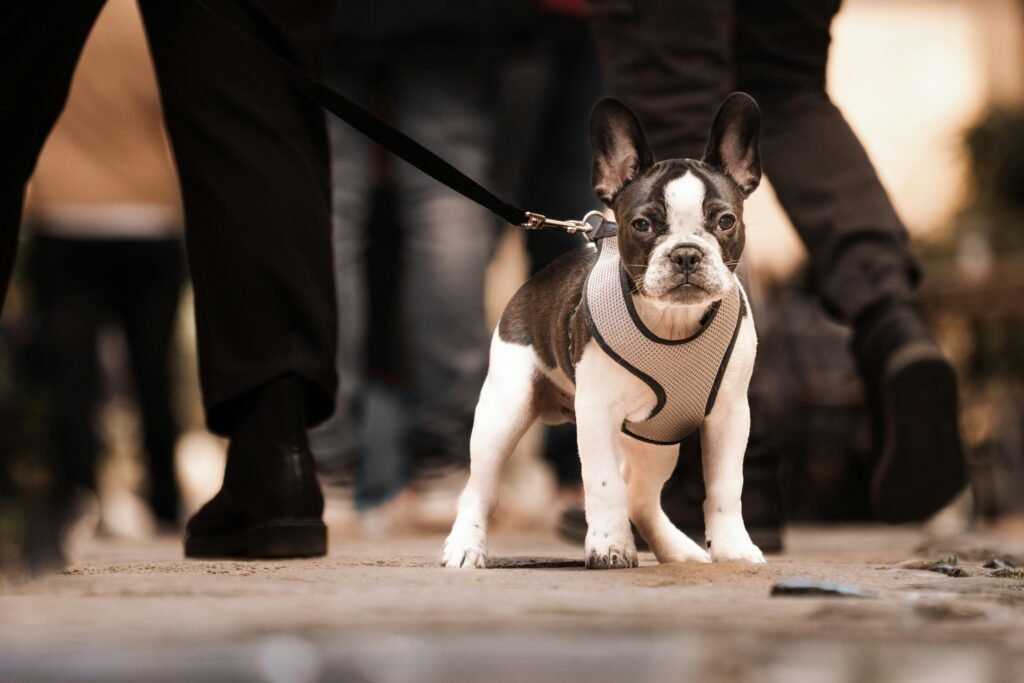
So socialization isn’t your puppy meeting every dog on the Lachine Canal. It’s your puppy noticing another dog, staying regulated, and being able to check back in with you for a treat or a cue. That ability to stay connected is a big deal for city dogs.
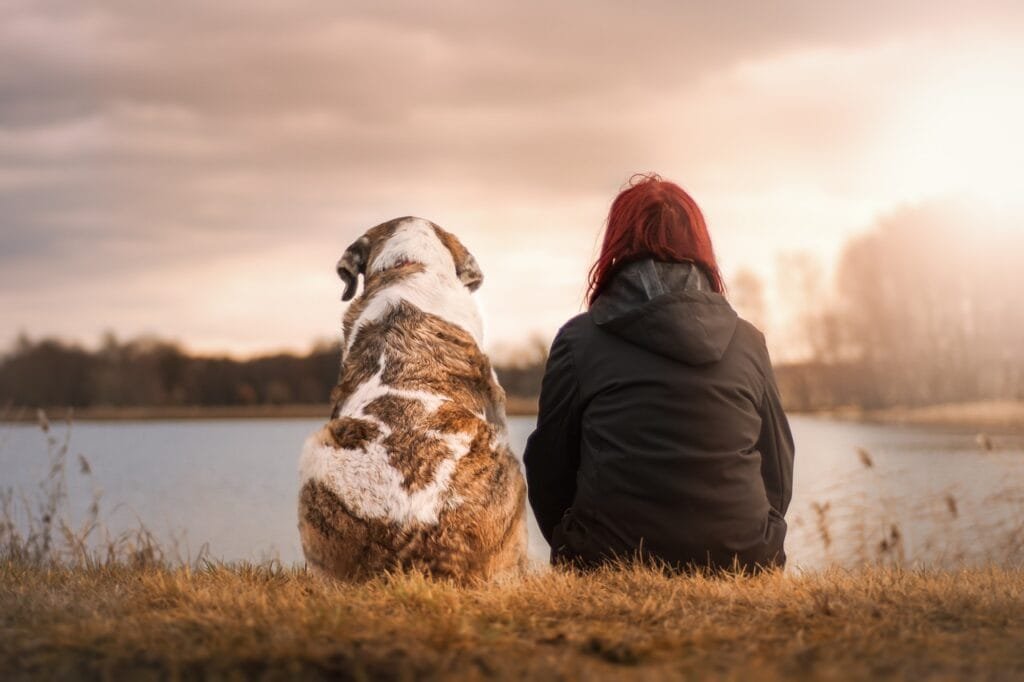
There’s also some really solid research on the dog–human bond. A study published in PLOS ONE found that dogs use their caregivers as a secure base for interacting with the environment, similar to how human infants rely on their parents.
In private puppy training, that secure base is the foundation. You don’t need to be the most exciting thing in the world. You just need to be the place your puppy feels steady enough to return to.
Why private puppy training works so well in the city
Beyond learning theory, there’s also logistics.
Group classes run on fixed schedules, in fixed spaces, following a set plan. That structure can be useful, but it doesn’t always line up with how things actually work. Puppies have off days. Humans have long work weeks. City living comes with noise, movement, and shared spaces that don’t pause because it’s “week three.”
Private puppy training gives us room to adapt.
Flexibility that actually helps
In a group class, the instructor usually has to move on because that’s what’s next on the syllabus. In private sessions, we can respond to what’s actually happening with your puppy.
That might mean:
- Spending more time on crate comfort or alone-time skills if that’s where your puppy is struggling.
- Skimming past cues your puppy already has figured out.
- Scheduling sessions around your normal routine, rather than forcing everything into a narrow time slot.
When both you and your puppy feel less rushed, learning tends to click more easily.
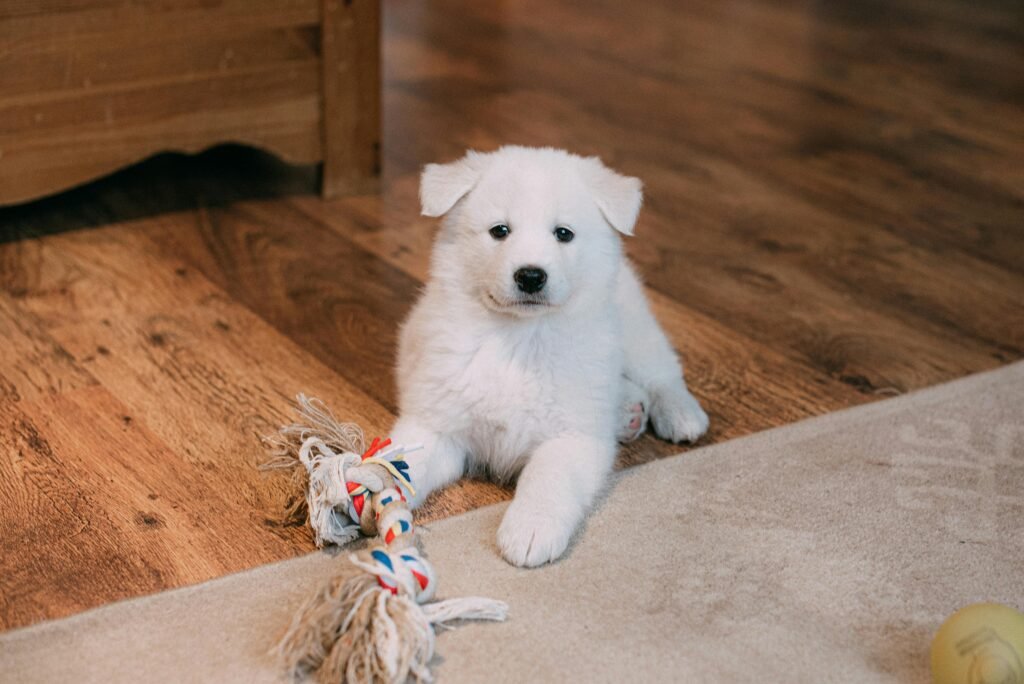
Training where life happens
Dogs are very context-specific learners. A puppy who can “settle” beautifully in a quiet rented hall doesn’t automatically know how to do that when you’re making coffee or answering the door.
With in-home private puppy training, we work in the spaces that already matter. Your front door. Your stairs. The hallway where your puppy loses their mind at footsteps. The living room window where squirrels are clearly running some kind of organized operation.
This cuts out the awkward “now do this at home” phase. Your puppy learns skills in the same place they’ll be using them, which makes the whole process feel more intuitive for both of you.
A quick note on puppy play
Private training doesn’t mean your puppy never plays with other dogs. Play matters. It helps puppies learn coordination, communication, and how to read social cues.
What matters most is the quality and context of those interactions.
In group settings, play has to work for a lot of puppies at once, and that can limit how much individual guidance each puppy gets in the moment. With private puppy training, we have more space to talk through what good play looks like for your dog, how to spot when excitement is tipping into overwhelm, and how to help your puppy disengage and come back down.
We also spend time building the emotional skills that make play easier long-term, like impulse control and calm observation. Those skills help puppies navigate social situations with a bit more chill, whether they’re meeting another dog or just passing someone on a busy sidewalk.
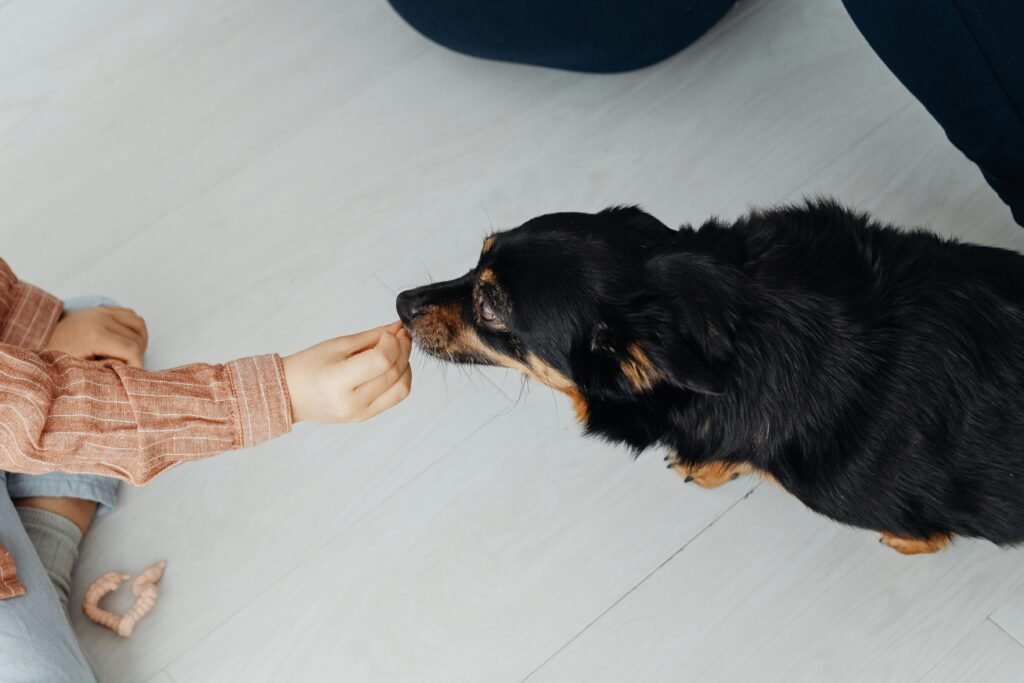
A system that works for tired humans too
Before working with dogs full-time, I spent years in tech and product roles. One thing that stuck with me is that vague instructions aren’t very helpful when people are already stretched thin.
“Go home and practise” doesn’t mean much when you’re underslept and your puppy thinks ankles are a fun toy.
My Puppy Fundamentals program is set up as a clear, five-session roadmap so you’re not guessing what to do next. You get:
- A plan that fits your puppy, not a generic checklist.
- Handouts and trackers that break things down into manageable steps.
- Mid-week check-ins, because questions never wait politely for the next session.
We also keep an eye on how you’re doing. There’s research showing that dogs and their guardians can synchronize stress levels, which means your nervous system and your puppy’s are very much in conversation with each other.
When you feel more confident and less frazzled, your puppy usually does too.
A steadier way to get started
Raising a puppy in Montreal comes with a lot of stimulation, opinions, and pressure to keep up. Private puppy training offers a way to cut through the noise, focus on what makes a difference, and build skills that fit everyday life.
If you want to learn more about how this approach works in practice, you can explore the Puppy Fundamentals program or read more about thoughtful socialization and early learning on the blog.
You don’t need to do everything at once. You just need a plan that works for you and your dog.
Frequently asked questions
Is my puppy too young for private puppy training?
Nope. Starting early often makes things easier. I usually work with puppies under five months in Puppy Fundamentals, focusing on foundations and emotional regulation rather than fixing problems later.
Doesn’t my puppy need to play with other dogs to be social?
Play is important, but it’s not the whole picture. For city puppies, learning to stay calm and neutral around other dogs is often just as valuable. Private puppy training helps keep social experiences positive and low-stress.
Why choose private puppy training instead of a group class?
Group classes can be a good fit for some families. Private puppy training lets us work directly with your goals, your puppy’s learning style, and your home environment. For many city households, that makes the whole process smoother.
Can everyone in the household be involved?
Absolutely. When everyone’s on the same page, puppies learn faster and feel more secure. We’ll make sure the whole household knows what to do and why.

Tabitha Turton
Tabitha is the founder and trainer at Belle & Bark. With a deep passion for canine behaviour and humane training, she’s committed to making life better for both ends of the leash. Her writing blends science-backed insight with real-life experience to help dog guardians feel more confident, compassionate, and informed.