Setting dog training goals that deliver success
Every guardian wants the perfect dog. Sometimes that means looking across the park at a neighbour’s dog who trots calmly at their side. More often, it means comparing a new puppy to a beloved past dog, the one you still call your soul dog or once-in-a-lifetime dog.
Here’s the truth: with the right approach, every dog has the potential to be your soul dog. Not because training magically erases their quirks, but because it creates a shared language. Trust, communication, and cooperation turn everyday moments into bonding experiences. That’s what makes a dog feel like your once-in-a-lifetime partner — not sameness, but the unique connection you build together.
That’s where setting dog training goals comes in. When your goals are realistic, personalized, and focused on the relationship, training feels less overwhelming and a lot more rewarding.
Quick takeaways
- Every dog is different, your goals should be too.
- Training is about relationship building as much as skill building.
- Celebrate small, realistic wins; they create momentum and confidence.
Why every dog is different
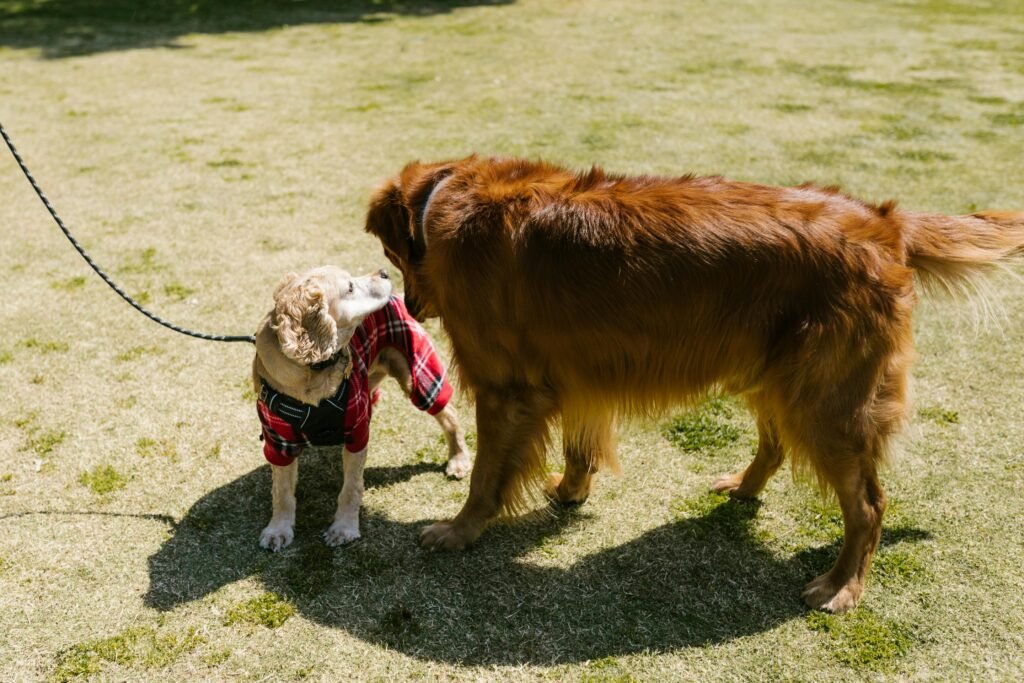
It’s easy to assume dogs should all behave the same way if trained “properly.” But behaviour is shaped by a mix of genetics, environment, and experience. Breed tendencies influence how dogs process the world, but no Labrador or Border Collie is identical to the next. A puppy raised with consistent positive experiences will have different responses than a rescue who had limited socialization.
Temperament also matters. Some dogs are bold and curious, ready to investigate every smell and sound. Others are sensitive, easily startled by loud noises or sudden changes. A shy dog may need months to build confidence walking down a busy street, while an exuberant dog might need just as long to learn to relax quietly at home. That’s why setting dog training goals with temperament in mind makes progress smoother and less stressful.
When you see behaviour you don’t like, it’s usually because the environment is reinforcing it. The world is handing out rewards faster than you are. A dog who steals food from the counter isn’t “being bad”, they’re responding to the jackpot they just found. A dog who pulls on leash is chasing the reward of moving forward. Without management, the environment keeps paying out. The good news is you can tip the scales back in your favour by setting up the environment to prevent those wins and making reinforcement come from you instead.
Dog training is about relationship building
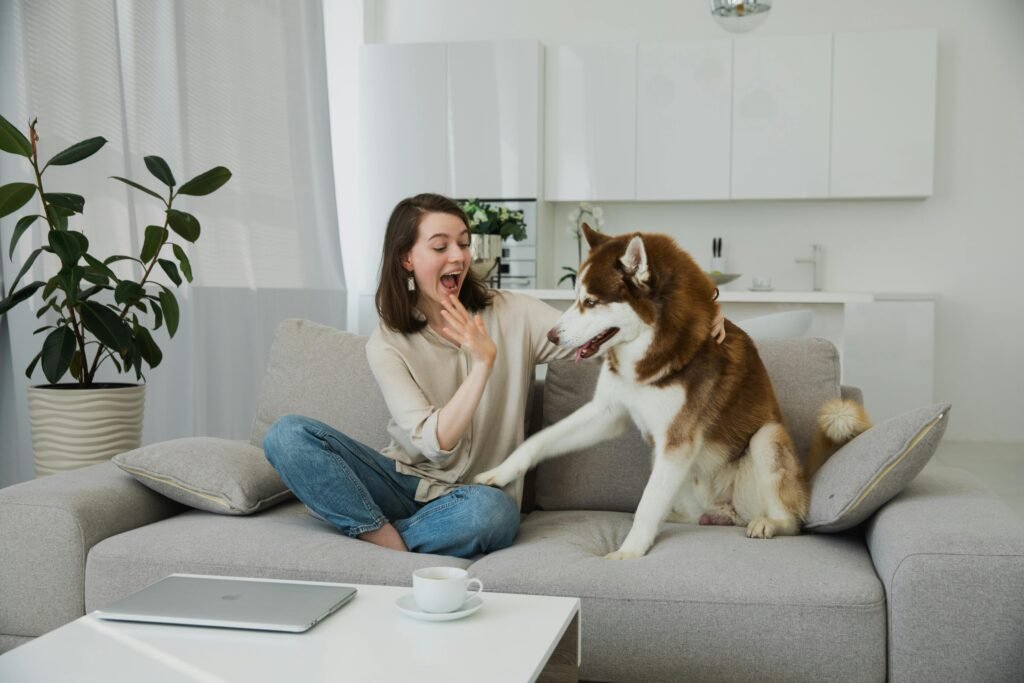
Training is often thought of as teaching cues: sit, stay, come. But underneath the skills, the real work is about building a relationship. Every time you use positive reinforcement, you’re showing your dog that paying attention to you brings good things. That kind of clear communication builds trust, and trust builds cooperation.
Think about it this way: a dog who sees you as a reliable, fun partner is far more motivated to stick with you in tricky situations. You’re not just training behaviours, you’re building a shared language.
And that bond matters. Studies have shown that when guardians feel connected to their dogs, they enjoy the day-to-day care more and experience less stress. When the bond is missing, caring for a dog can actually feel heavy, even frustrating. On the flip side, when the relationship is strong, training feels like a team effort. Walks become shared adventures. Games feel like conversations.
Dog training is fundamentally about relationship building. Setting dog training goals isn’t just about getting a reliable sit or recall, it’s about creating positive shared experiences that strengthen your connection and foster a cooperative mindset. That relationship is what turns any dog, no matter their quirks, into your soul dog.
Common pitfalls in setting goals
Guardians often run into trouble because their goals don’t match their dog’s needs or stage of development. Here are a few common mistakes:
- Comparing to a past dog. That once-in-a-lifetime soul dog you raised years ago? They also went through clumsy puppy stages. Memory tends to smooth out the struggles. Your new dog deserves their own journey.
- Expecting instant results. Puppies don’t master house training in a week, and rescues don’t overcome fear after one calm walk. Progress takes weeks and months, not days.
- Letting the environment do the reinforcing. If the world rewards counter surfing or jumping, the behaviour will stick. Without management, even the best training plan struggles.
Avoiding these pitfalls starts with adjusting your mindset: setting dog training goals isn’t about creating a “perfect” dog, but about helping your dog succeed in realistic, achievable steps.
What realistic training goals look like
Realistic goals start with small, clear, and specific steps. Big goals like “potty trained” or “walk politely on leash everywhere” are perfectly valid, but they need to be broken down. For example, instead of “my dog should be potty trained,” think:
- Three accident-free days indoors
- Five accident-free days
- Holding bladder overnight without fuss
Each step builds toward the bigger goal, while giving you milestones to celebrate.
Client story: Libby
Libby, a Portuguese Water Dog puppy, joined our Puppy Fundamentals course at around eight weeks old. Early on, her guardians struggled with accidents, bitey play, and a stressful relationship with the crate.
At our first class, I gave them a potty log to help track outings and successes. They didn’t use it right away. Around week three, they decided to try logging with an app, which helped but had one drawback: the information wasn’t always easy for both of them to see. One guardian often had to chase down the other to check when Libby last went out.
That’s where a printable log taped to the fridge can make life easier. Everyone in the family can glance at it, add notes, and stay coordinated. (And yes, even with my background as a software product manager, I’ll admit that sometimes good old pen and paper still wins.)
Once Libby’s guardians started tracking consistently, they quickly saw progress.
Between weeks four and five, Libby hit her first five accident-free days. It was a milestone worth celebrating.
At the same time, she was making gains in recall, loose leash walking, and crate training. None of this happened overnight, but by setting dog training goals as realistic, trackable steps, her family got to celebrate steady progress instead of getting stuck on setbacks.

How to set personalized training goals
Here are a few steps to create goals that work for your unique dog, with examples to make them practical:
- Assess your dog’s baseline. Maybe your puppy can sit reliably in the kitchen but struggles to do it at the park. That tells you where to start. Goals should grow from what your dog can already manage.
- Factor in your lifestyle. If you live in a downtown condo, leash manners and elevator comfort might be priorities. If you’re in the suburbs with a big yard, your first goals may focus more on recall and calm greetings at the fence.
- Prioritize safety. Teaching “wait” at the door could prevent bolting, while recall could keep your dog from running into the street. These goals are non-negotiable before you move on to more advanced tricks.
- Break down big goals. Instead of expecting your dog to stay calmly on a mat through an entire dinner, start with 10 seconds, then 30, then 2 minutes. Small increments build reliability.
- Track progress. A simple log makes invisible progress visible. Maybe your anxious rescue went from barking at the doorbell for 2 minutes down to 20 seconds. Without notes, you might not see the improvement, but on paper it’s proof of progress.
Personalized goals keep training relevant, realistic, and rewarding. That’s the real benefit of setting dog training goals around your lifestyle and your dog’s unique needs. And remember, the big goals are still there, things like recall, calm greetings, or being comfortable at the vet. Breaking them into smaller steps just makes the journey smoother for both you and your dog.
When to adjust your goals
Training isn’t linear. Dogs have growth spurts, fear periods, or life events that change the picture. Adjust your goals if:
- Your dog seems stressed or shuts down. Stress signals can look like lip-licking, yawning, refusing food, or walking away. A shut-down dog may freeze or simply stop engaging. This means the step you’re asking is too hard. Adjustment could mean lowering the difficulty: practicing in a quieter environment, shortening the duration, or breaking the goal into smaller pieces. Setting dog training goals this way keeps learning fun and achievable.
- A new challenge arises. Moving houses, a new baby, or an injury can all shift priorities. A dog who used to nail loose leash walking might regress when their routine changes. Adjustment here means temporarily pausing some goals and focusing on the essentials until life settles.
- You’re stuck on the same step. If your dog keeps failing at “stay for 1 minute,” it’s a sign you need to work on 20 or 30 seconds first. Adjustment means making the ladder easier to climb.
Think of goal-setting like a GPS. If one route is blocked, you simply recalculate.
Key takeaways
- Every dog is different, shaped by breed, environment, and life experience.
- Dog training is about building a bond, not creating perfection.
- Environment management is as important as reinforcement.
- Realistic, step-by-step goals help you celebrate progress.
- With patience and consistency, every dog can be your soul dog.
Turn big goals into real progress
Training isn’t about producing a flawless dog. It’s about creating a partnership where trust, empathy, and shared wins make life better for both of you.
Not sure how to start setting dog training goals that fit your dog? Let’s talk.
FAQ
How do I know if my dog training goals are realistic?
It’s absolutely fine to have big goals, like “be calm around people on the sidewalk.” What makes a goal realistic is breaking that bigger goal into smaller, achievable steps. If your dog struggles, it just means the step is too big. A trainer can help you design a plan that moves you toward the bigger picture while celebrating progress along the way.
How long does it take for training goals to stick?
It depends on the behaviour and the dog. Some things, like sit, may come together in a single session. Others, like recall or calm crate time, can take weeks or months. Progress is rarely overnight. It’s about steady practice and consistency, not speed.
What if my dog doesn’t meet the goal I set?
That’s your cue to adjust. Instead of asking for a full minute of stay, try 10 or 20 seconds. If your dog can’t walk calmly down the block, start with your driveway. Training goals should feel doable, so scaling back makes it easier for your dog to succeed and keeps the learning fun.
Can I set too many training goals at once?
Yes, and it’s one of the most common mistakes. Working on everything at the same time often leads to frustration for both you and your dog. Focus on two or three goals that really matter for daily life like potty training, leash manners, or recall. Once those are steady, layer in more.
Do I need a trainer to set dog training goals?
Not always, but it can make a big difference. Trainers know how to turn the big picture into small, achievable steps, and they can help you troubleshoot when things stall. If you’re stuck or your dog seems stressed, a trainer can help make sure your goals are realistic and tailored to your dog.

Tabitha Turton
Tabitha Turton is the founder and trainer at Belle & Bark, offering dog training and behaviour support in Montreal. Her work draws on current behaviour and welfare science, positive reinforcement and Family Dog Mediation, with a focus on understanding the individual dog and the factors shaping their behaviour.
Her writing explores dog behaviour, learning and welfare, translating research and professional education into practical ideas for everyday life with dogs.