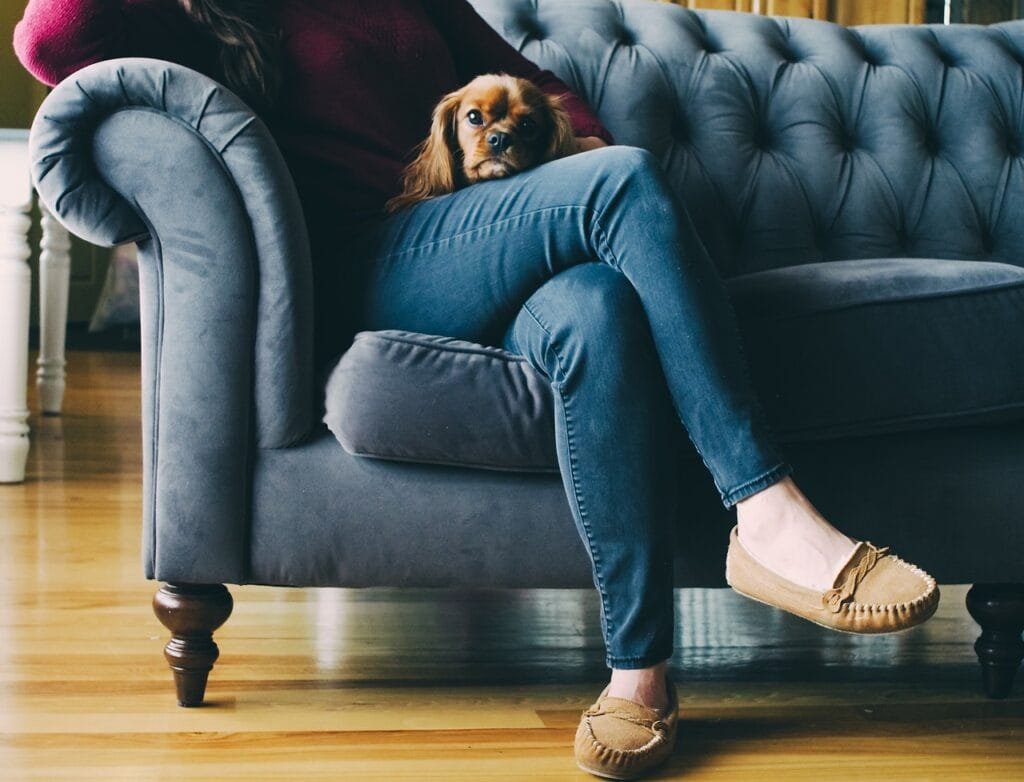
Dog behaviour consultation explained: When support makes sense
A dog behaviour consultation is a way to take a closer look at what’s going on when life with your dog feels harder than expected.
A lot of people land here after trying reasonable adjustments and giving things time. Maybe a behaviour keeps popping up in the same situations. Maybe certain moments feel tense, even if the rest of the day is fine. One recent client told me she found herself Googling “how to train the beagle out of a beagle” after running out of ideas. That kind of search usually isn’t about training at all. It’s about feeling stuck and wanting something to change.
A behaviour consult gives you space to slow down and make sense of those patterns. It focuses on understanding what’s shaping the behaviour, so the next steps feel grounded and appropriate for everyone involved.
Quick takeaways
- A dog behaviour consultation helps make sense of behaviour that feels confusing, intense, or stuck.
- Consults are commonly used for fear, reactivity, guarding, aggression, and distress when left alone.
- The focus is on understanding patterns and context, without judgement or labels.
- A good consult leaves you with clearer priorities and a plan that fits real life.
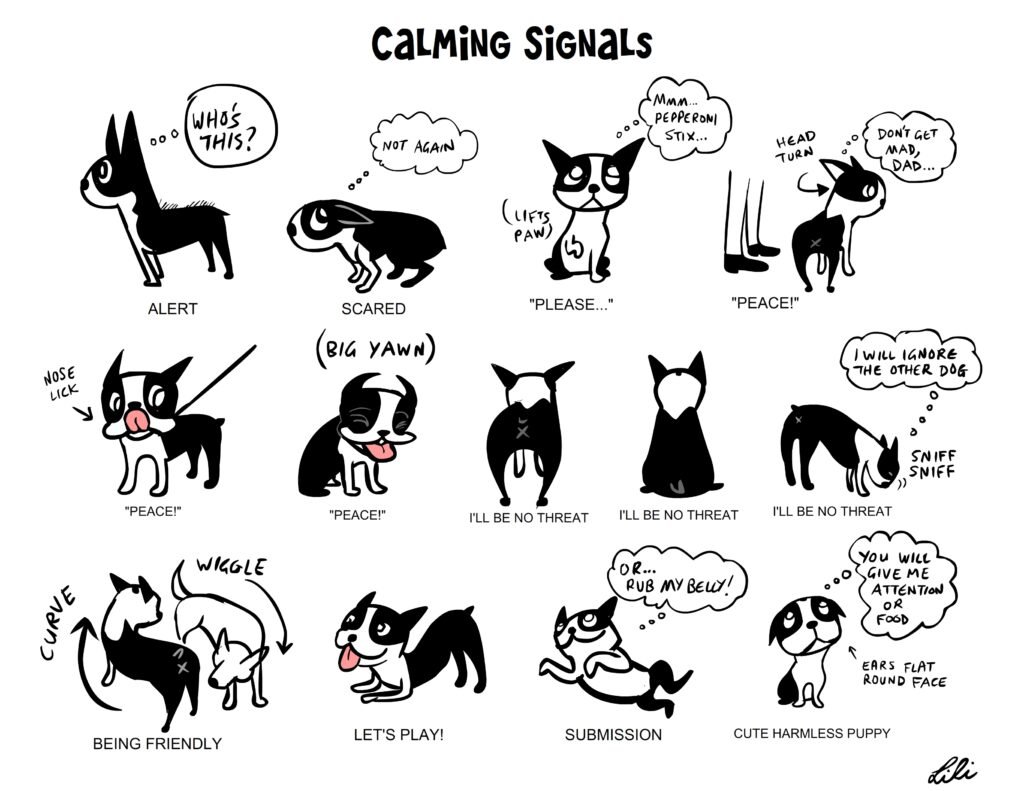
Subtle dog body language cues often discussed during a behaviour consultation
What a dog behaviour consultation involves
A behaviour consultation starts with careful observation and a lot of listening.
Instead of jumping straight to advice, the focus is on building a clear picture of a dog’s day to day life. What his routines look like. Where he spends time. Which situations tend to go smoothly, and which ones don’t. The moments right before things escalate, and what helps him settle afterward.
During a consult, attention is given to:
- situations that reliably challenge him
- how his responses build
- early signs that appear before the behaviour is obvious
- how long it takes for everyone to settle again
- patterns that start to make sense once you step back a bit
These details matter because behaviour doesn’t happen in a vacuum. It’s shaped by experience, environment, and how a dog is feeling in that moment.
Organisations like Dogs Trust describe behaviour consultation as a process that considers the whole picture, rather than pulling a single behaviour out of context and trying to solve it in isolation.
The outcome of a dog behaviour consultation is a practical plan you can picture fitting into real life. That might include changes to the environment, guidance around management, clearer priorities, and a better sense of when additional support, including veterinary input, could be helpful.
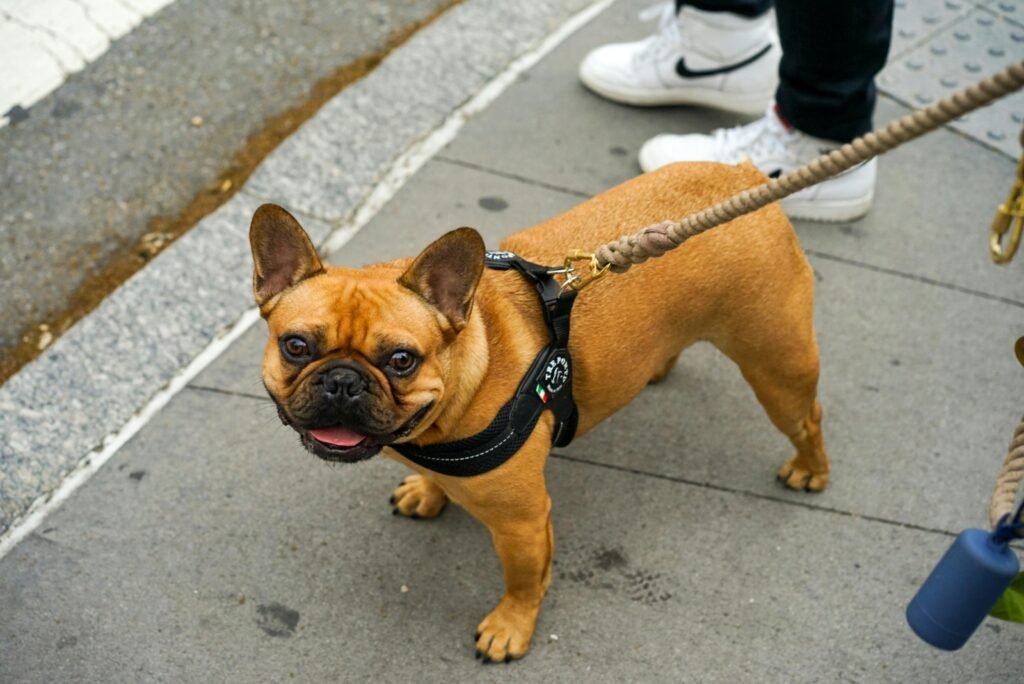
Situations behaviour consults commonly support
Behaviour consults tend to be most helpful when a dog’s responses feel bigger than the situation in front of them, or when everyone is starting to tiptoe around certain moments of the day.
One common situation is reactivity. This might look like barking or lunging when someone appears suddenly, another dog comes too close, or space feels tight. Hallways, stairwells, elevators, and narrow sidewalks come up a lot. The behaviour can seem abrupt, even though there’s usually a predictable pattern underneath it.
Another is guarding, whether that’s around food, chews, resting spots, or certain people. These situations often carry a lot of tension for guardians, especially when the dog is otherwise affectionate and easygoing. A dog behaviour consultation helps slow things down and look at what’s contributing to that protectiveness, rather than treating it as a personality flaw.
Distress when left alone is another frequent reason people reach out. Some dogs struggle to settle when their people leave, even for short periods. They may vocalize, pace, scratch at doors, or remain on edge until someone returns. These behaviours are often driven by anxiety, not mischief, and they benefit from careful interpretation before any plan is put in place.
There are also plenty of grey-area situations. A dog who seems fine most of the time but reacts strongly in very specific contexts. A dog whose behaviour has shifted after a move, a schedule change, or a stressful event. A dog who hasn’t bitten anyone, but whose signals make the household uneasy.
In all of these cases, the consult focuses on understanding what’s shaping the behaviour and what deserves attention first, so any plan reflects the dog’s needs and day to day reality.
What you can expect from the outcome
A behaviour consultation shouldn’t end with a vague sense of “that was interesting.” It should leave you with a clearer picture of what’s happening and what matters most right now.
One of the main outcomes is prioritization. When several things feel tangled together, a consult helps sort out what needs attention first, what can wait, and what may resolve once the bigger pieces are addressed.
You can also expect practical guidance that fits your actual life. That might include changes to the environment, ways to reduce pressure in tricky situations, or adjustments that give your dog more breathing room while everyone works on the bigger picture. The goal isn’t to overhaul everything at once, but to make day to day life feel more manageable.
Another important outcome is clarity around next steps. Sometimes that means moving forward with targeted training once your dog is better able to engage. Other times it means pausing, gathering more information, or involving additional support, including veterinary input, if something feels off or out of character.
Patricia McConnell has written thoughtfully about how stress affects behaviour and learning, and why understanding a dog’s emotional state matters when planning support. That perspective underpins much of modern, humane behaviour work and helps explain why timing and context are just as important as technique.
When things already feel hard
Most behaviour consults aren’t booked at the first sign of trouble. They tend to happen once things have been weighing on people for a while. Guardians are tired. Certain situations feel tense. There’s a sense of managing too many moving parts at once.
In that context, a dog behaviour consultation helps bring order to what feels scattered. It creates space to look at what’s happening without needing to solve everything at once.
Often, the patterns discussed in consults are ones that only make sense in hindsight. A dog who reacts in a narrow set of situations. A dog whose tolerance shrinks over time. A dog who takes longer to recover after stressful moments. These shifts are easy to work around until they begin shaping everyday life.
A consult allows those patterns to be looked at directly, even when everyone already feels stretched. That perspective supports small, realistic changes that reduce load on the dog and the people around him, and help stabilize things enough to move forward thoughtfully.
Stress and limited recovery influence how flexibly dogs respond to their environment. Taking those factors into account can change how situations unfold, even when the starting point feels far from ideal.
A calm next step
If you’re noticing fear, reactivity, guarding, distress when left alone, or any behaviour that leaves you unsure how to respond, a dog behaviour consultation can help bring things into focus.
You don’t need to have the right language, a clear theory, or a sense of urgency to book one. Consults are designed for situations that feel fuzzy, layered, or emotionally charged, especially when you want to understand what’s driving the behaviour before deciding what comes next.
The goal is simple: clarity, safety, and a plan that respects who your dog is and what he’s telling you.
Frequently asked questions
Is a behaviour consult the same as seeing a veterinary behaviourist?
Not exactly. A behaviour consult focuses on assessment, interpretation, and practical planning. In some cases, a consult may also help determine whether veterinary input would be useful, especially if behaviour has changed suddenly or recovery seems unusually difficult.
Can puppies or adolescent dogs have behaviour consults?
Yes. Young dogs can show fear, social sensitivity, or difficulty coping in certain environments. Early support can help guide development and reduce pressure before patterns become more established.
What if I’m not sure what the issue is?
That’s a common reason to book a consult. You don’t need a clear problem statement. Part of the process is helping make sense of what you’re seeing and deciding what support fits best.

Tabitha Turton
Tabitha Turton is the founder and trainer at Belle & Bark, offering dog training and behaviour support in Montreal. Her work draws on current behaviour and welfare science, positive reinforcement and Family Dog Mediation, with a focus on understanding the individual dog and the factors shaping their behaviour.
Her writing explores dog behaviour, learning and welfare, translating research and professional education into practical ideas for everyday life with dogs.