Positive Reinforcement Training

Positive reinforcement strengthens behaviours by adding something the dog values after the behaviour occurs. These posts explore how reinforcement works in practice, including reward selection, timing, motivation and ways to build skills without relying on fear or discomfort.

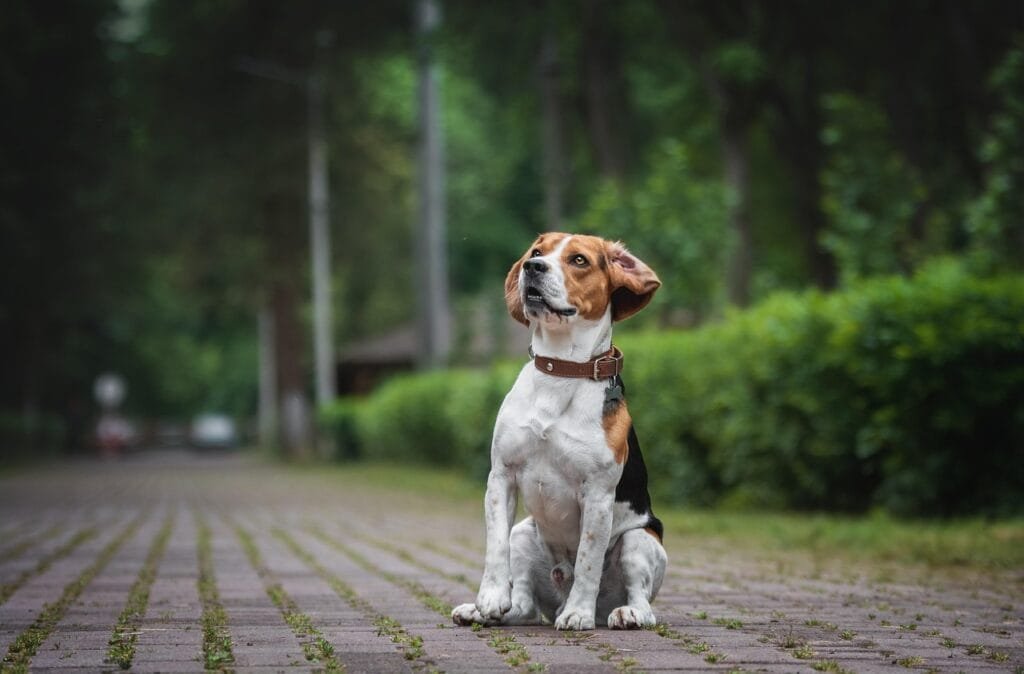
beagle, dog, park, animal, pet, cute, dog breed, canine, doggy, pedigree, collar, dog collar, portrait, dog portrait, beagle, nature, beagle, beagle, beagle, beagle, dog collar

Ditch the shock: Why positive training is the better choice

Research shows that shock collars cause stress, fear, and harm without offering benefits over positive reinforcement. Studies confirm they negatively impact the human-animal bond, increase anxiety, and may lead to aggression. Learn why modern, science-backed training methods are the best choice for building trust and confidence in your dog.

Ditch the shock: Why positive training is the better choice Read More »

Detailed low light portrait of a pug dog with a thoughtful expression, highlighting its distinctive features.

Punishment in dog training: What to do instead

Many dog owners turn to punishment out of frustration or outdated advice, but science shows it’s not the best way to train. Punishment can lead to fear, anxiety, and even increased aggression—without actually teaching your dog what to do instead. This article breaks down the science behind why punishment fails, the unintended consequences it creates, and how reinforcement-based training provides a more effective and humane alternative.

Punishment in dog training: What to do instead Read More »

Scroll to Top