3 signs your dog is cold on fall walks (and how to help)
Fall in Montreal is stunning, but crisp mornings and damp evenings can be tougher on our dogs than we realize. Not every dog is built to handle cooler weather, and ignoring the early signs of discomfort can turn a nice walk into something stressful. Knowing the key signs your dog is cold helps you keep your companion safe, comfortable, and happy all season long.
Quick takeaways
- Shivering is the most obvious sign your dog is too cold
- Tucked tails and hunched posture show discomfort
- Slowing down or refusing to walk means it’s time to head inside
Shivering and trembling
The first and most visible sign your dog is too cold is shivering. Just like us, dogs will tremble when their bodies are working hard to stay warm. While an occasional shiver might not mean much, repeated or sustained trembling is a clear signal to cut the walk short.
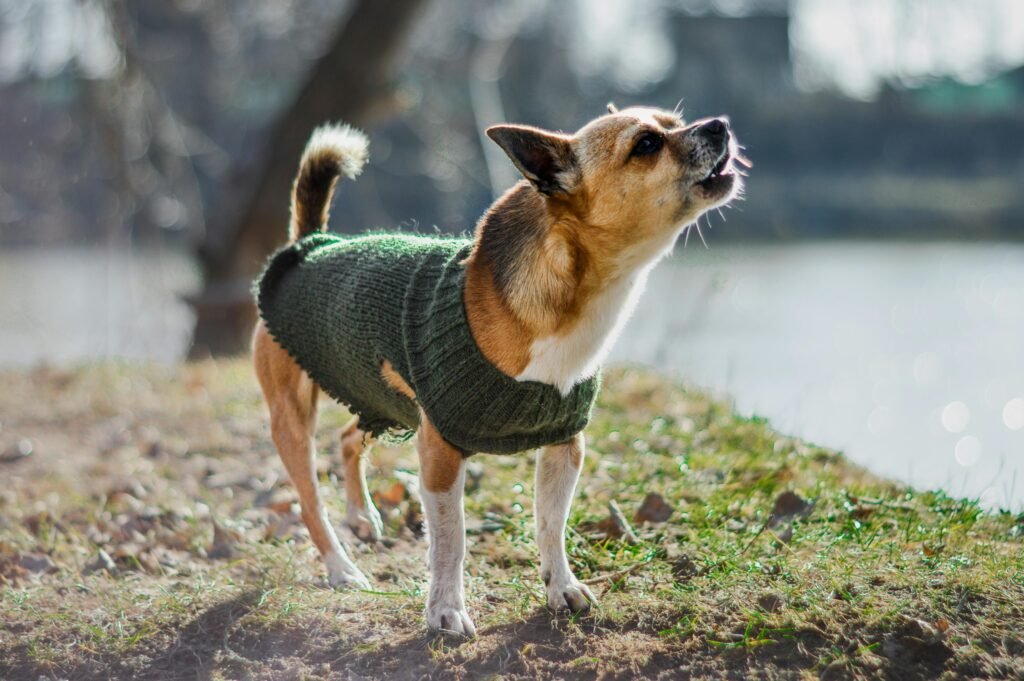
A simple solution is to add a layer. Many short-haired, senior, or smaller dogs benefit from a well-fitted coat or sweater. Even hardy breeds will appreciate shorter outings when the wind picks up or damp conditions set in.
Body language cues
Sometimes dogs communicate cold through more subtle signals. A tightly tucked tail, ears pinned back, or a hunched, low posture all indicate discomfort. Think of it as your dog “making themselves small” to hold onto warmth.
These cues are especially common in dogs with short coats or thin builds, but even fluffy dogs can struggle when they get wet. Paying attention to body language means you can step in before shivering starts.
Reluctance to walk
When dogs lag behind, try to stop, or attempt to turn back home, it isn’t stubbornness. It’s communication. Refusing to walk is one of the clearest signs your dog is cold you’ll notice outdoors. Respect it as a request to warm up, rather than pushing for the full walk you had in mind.
A better option is to head home, dry off, and engage in a short enrichment activity indoors. Training games, scent work, or a food puzzle can provide mental stimulation without the chill.
What to do if you notice signs your dog is cold
If you notice shivering, tense body language, or a refusal to walk, the best thing you can do is end the walk early. Once home, towel off damp fur and paws, and provide a warm resting spot.
Preventive steps also make a difference:
- Dress your dog in a coat or sweater if they’re prone to cold
- Protect paws with balm or booties, especially once salt hits sidewalks
- Opt for shorter, more frequent walks instead of one long outing
Montreal’s fall weather can change quickly, with damp air and wind making sidewalks colder than they look. Staying attentive to your dog’s signals keeps every outing enjoyable and safe.
Choosing the right dog coat or sweater
If your dog shows signs of being cold, the right gear can make a big difference. Look for a jacket or sweater that:
- Covers the chest and belly – these areas lose heat quickly and benefit from extra protection.
- Extends from the shoulders to the base of the tail – leaving the core fully covered keeps body temperature stable.
- Fits snug but not tight – your dog should be able to move naturally without chafing or restriction.
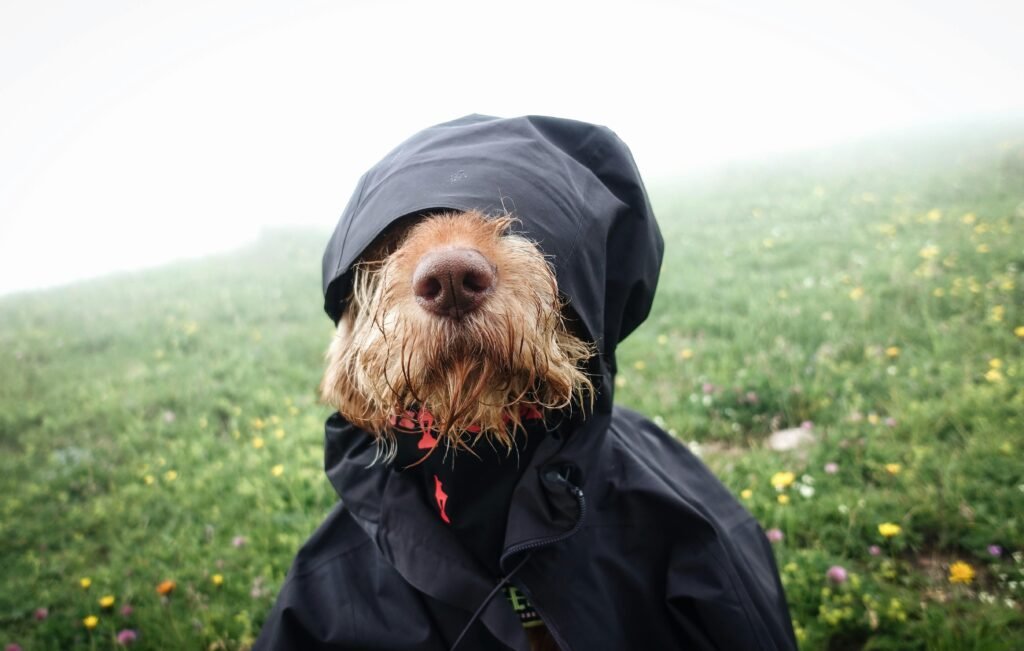
- Uses weather-appropriate fabric – fleece or knit for dry, cool days, waterproof or insulated layers for damp and windy weather.
If your dog resists wearing gear, start slowly. Let them sniff and explore the coat at home, reward them for stepping into it, and pair the experience with something positive. Cooperative care techniques can turn a stressful chore into a routine they don’t mind.
Key takeaways
- Shivering, tucked tails, and slowing down are clear signs your dog is cold
- Short-coated, senior, and small dogs chill faster than others
- Respect when your dog asks to head home
- Choose gear that covers the chest, belly, and core for real warmth
- Proactive gear and shorter walks keep your dog safe in Montreal’s fall
Staying warm together
Fall walks are meant to be fun, not uncomfortable. Watch for these simple signs and you’ll know exactly when it’s time to head home.
If your dog needs help adjusting to gear like coats or booties, or if you’d like training tips to make walks smoother, Belle & Bark can help. Book a session today and enjoy the season together.
FAQ
Do all dogs need coats in the fall?
Not every dog needs extra layers. Thick-coated breeds like Huskies or Newfoundlands handle the cold well. Short-haired, small, senior, or low-body-fat dogs benefit most from jackets or sweaters.
What breeds get cold the fastest?
Greyhounds, Chihuahuas, Whippets, and other lean or toy breeds are especially sensitive. Age also matters. Puppies and seniors often struggle with temperature regulation.
How can I get my dog used to wearing gear?
Introduce coats or booties slowly at home, reward curiosity, and pair the process with treats or play. Short sessions and positive reinforcement turn gear-wearing into a routine instead of a battle.

Tabitha Turton
Tabitha is the founder and trainer at Belle & Bark. With a deep passion for canine behaviour and humane training, she’s committed to making life better for both ends of the leash. Her writing blends science-backed insight with real-life experience to help dog guardians feel more confident, compassionate, and informed.