Canine Body Language
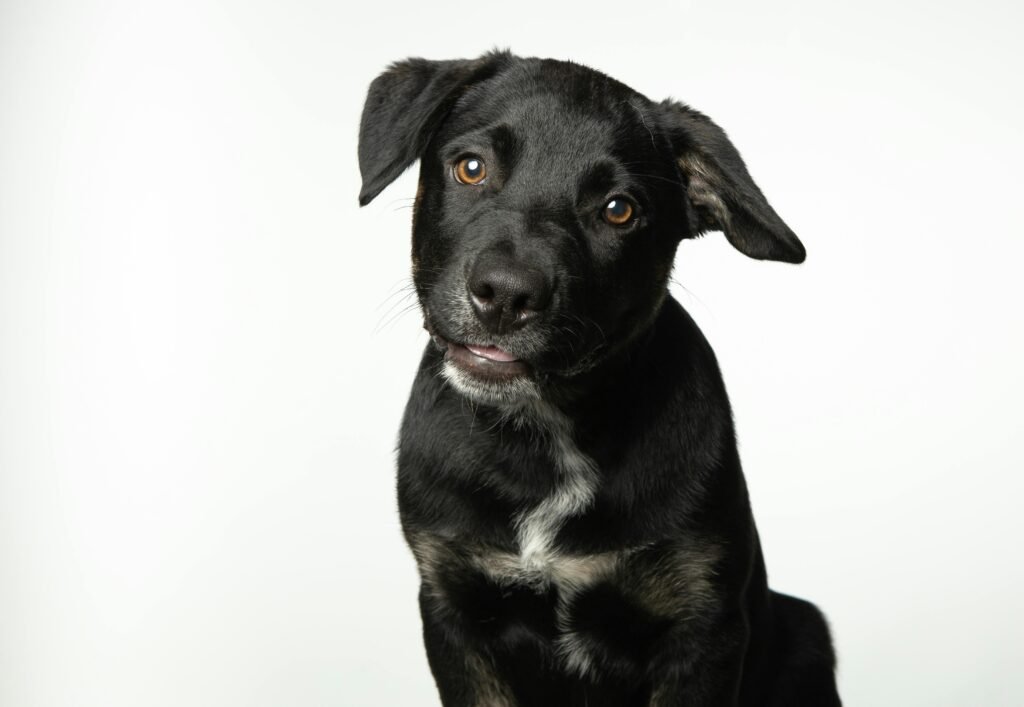
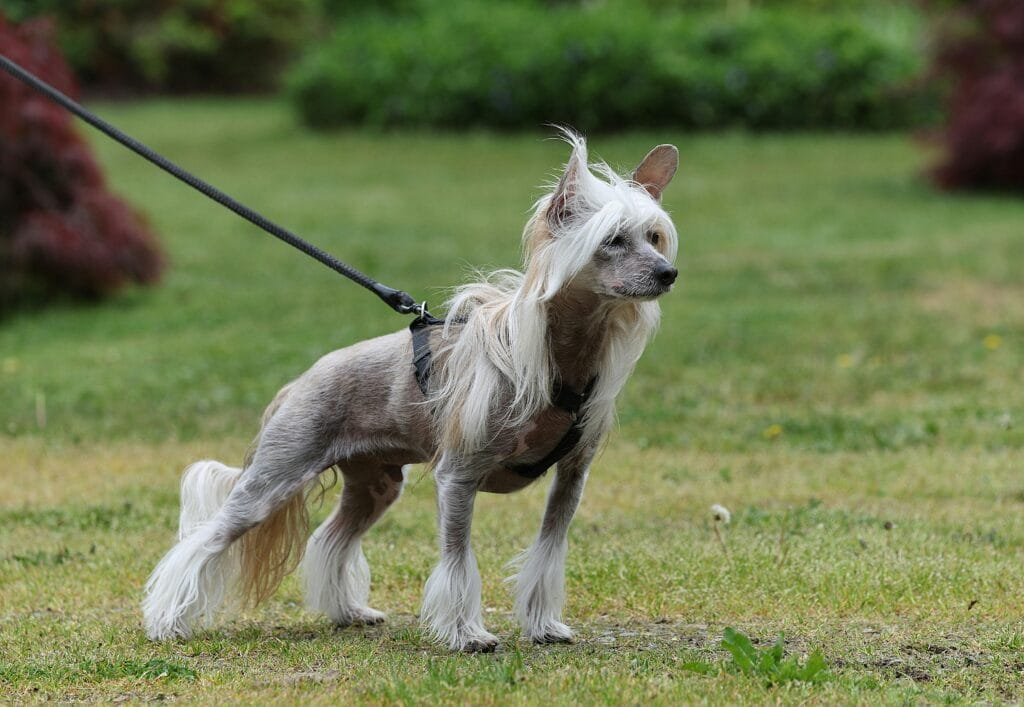
Canine body language is one of the most important tools dogs use to communicate with us and with each other. While they may not speak our language, dogs are constantly sharing how they feel through posture, movement, facial expressions, and subtle changes in tension. Learning to read these signals helps you respond more effectively and build a stronger, more trusting relationship.
In this section of the blog, you’ll find articles that break down common and not-so-common behaviours. Topics include tail carriage, ear position, lip licking, body stiffness, yawning, and eye shape. You’ll also learn to recognize signs of fear, excitement, stress, and discomfort before they escalate into more obvious behaviour challenges like barking, lunging, or growling.
Understanding canine body language allows you to be more proactive in your training and everyday interactions. You can spot early signs of anxiety, give your dog space when needed, and reinforce calm behaviour before tension builds. This kind of awareness is especially important when working with shy, reactive, or adolescent dogs who may struggle with impulse control or confidence.
At Belle & Bark, we believe that communication goes both ways. It’s not just about what we ask of our dogs, but how well we listen to what they’re already telling us. The posts in this tag will help you sharpen your observation skills and respond with empathy, clarity, and respect.
Explore the resources below to deepen your understanding of canine body language and support your dog with informed, compassionate responses.